How to Choose the Right Diet for Your Dog or Cat in Townsville
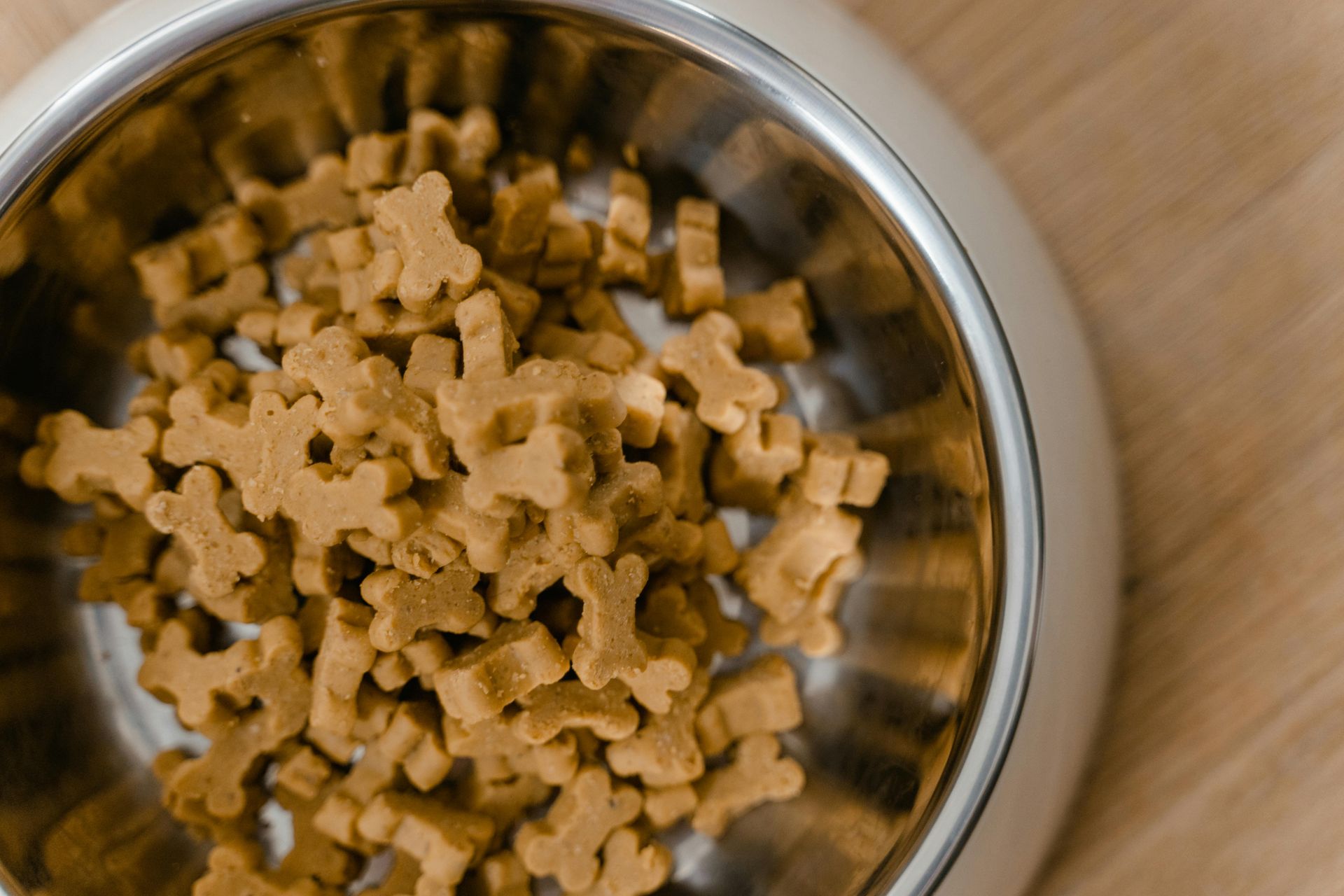
Selecting the right food for your dog or cat is a key part of being a responsible pet owner. With so many products on the market and plenty of conflicting advice, it can be difficult to know what truly suits your animal, especially in North Queensland’s tropical climate. Many pet owners find that discussing options with their vet in Townsville helps them feel confident about their choices, ensuring their pets are happy and healthy.
A good diet supports more than just appetite. Nutrition affects your pet’s energy levels, skin and coat condition, digestion and overall wellbeing. The local environment, including heat, humidity and whether your animal spends time indoors or outdoors, all play a role in determining what they need from their food. This guide explores the main points to consider so you can make informed, practical decisions about nutrition for your pet.
How Climate & Heat Change What Pets Need from Their Food
Hot and humid weather is a fact of life in this region, and it can make a noticeable difference to your pet’s appetite and hydration. On warm days, some pets eat less than usual but their bodies still need proper nutrition. Humidity can also make digestion harder and increase the risk of dehydration, so it is important to pay attention to both the type and timing of meals.
It is helpful to:
- Select foods with higher moisture content, which can support hydration especially for cats.
- Choose gentle, easy-to-digest proteins.
- Offer moderate fat levels to supply steady energy without causing heaviness.
- Serve meals at cooler times of day or divide food into smaller, more frequent portions.
Always keep fresh water available, clean bowls regularly and monitor your pet’s drinking habits, particularly during the hotter months.
Matching Food to Your Pet’s Lifestyle & Activity
Not every pet has the same daily routine or energy level. An active dog that loves the outdoors will have very different needs from a cat who prefers to relax indoors. Matching your pet’s food to their lifestyle helps support healthy weight and long-lasting energy.
When choosing a diet, consider:
- How much exercise your pet gets each day and the intensity of that activity.
- Whether your animal spends more time inside or out, including any seasonal changes.
- Natural breed characteristics, as some animals burn energy faster or tend to gain weight more easily.
- Adjusting meal sizes as your pet ages or their activity level changes.
Providing a diet that fits your pet’s real routine encourages a balanced and healthy life.
Understanding Commercial Diet Options
There is a wide variety of commercial pet foods available, each promising different benefits. Rather than focusing on flashy marketing, it is better to look at what is in the food and whether it is appropriate for your pet’s life stage and health needs.
Look for these features:
- Clearly named animal proteins high in the ingredient list.
- Labelling that confirms the food is complete and balanced for your pet’s age, such as puppy, kitten, adult or senior formulas.
- Straightforward ingredient lists, especially for pets with food sensitivities.
- Trusted brands that have a reputation for quality.
If you are uncertain, ask your vet for help comparing products and choosing the most practical and nutritious option.
Weighing Up Raw, Fresh or Dry Diets
Raw, fresh and dry diets each offer their own advantages. The best choice depends on your pet’s health, your household routine and how comfortable you are with food preparation and storage.
Consider the following:
- Your pet’s digestive history and any known sensitivities.
- Whether you have the time and space to prepare and store meals safely.
- Dental health, as dry food may help reduce tartar while wet diets are often easier for pets with dental problems.
- The importance of ensuring all meals are nutritionally balanced, especially when preparing food at home.
Consulting your vet before making any major diet changes is always a wise step to keep your pet safe and healthy.
Spotting & Managing Food Sensitivities or Allergies
Persistent itching, upset stomach, ear problems or changes in coat condition might indicate a food sensitivity or allergy. Finding the cause takes patience, but a step-by-step approach is the best way forward.
You can try:
- Limited ingredient or novel protein diets to identify and avoid common triggers.
- Offering consistent treats and snacks, aligned with your pet’s main food.
- Introducing one new food at a time and monitoring changes for several weeks.
- Working with your vet, who may suggest an elimination diet or prescription food.
Careful observation and a systematic approach help ensure your pet’s long-term comfort and wellbeing.
The Right Nutrition for Growing Puppies & Kittens
Young pets grow quickly and require diets specifically designed for their development. Feeding adult food too early or giving unnecessary supplements can lead to health problems.
To support your puppy or kitten, remember to:
- Select a diet designed for growth, providing the right balance of protein, vitamins and minerals.
- Adjust portions as your pet gains weight and matures.
- Monitor their body condition and energy levels, not just their weight.
- Consult your vet before adding any supplements, as quality puppy and kitten foods are usually well-balanced.
Starting with proper nutrition lays the foundation for a healthy adult life.
Adjusting Diets as Pets Get Older
Senior pets often need fewer calories but higher-quality ingredients. They may become less active, lose muscle or develop more sensitive digestion. Updating your pet’s diet can help support comfort and health as they age.
For older dogs and cats:
- Choose foods that are gentle on digestion and support joint health.
- Provide high-quality protein while managing calorie intake.
- Keep an eye on appetite, weight and activity.
- Book regular check-ups with your vet to update dietary advice as your pet’s needs change.
Small adjustments can make a big difference to your pet’s comfort in their later years.
Local Advice & Support for Pet Nutrition
If you have questions about your pet’s food or are thinking of making a change, local guidance can make the process easier. We at Western Suburbs Veterinary Clinic understand what it takes to keep pets healthy in North Queensland. As a Townsville veterinary clinic, we offer advice that fits the realities of our region, whether you need help with food sensitivities, weight management or adjusting your pet’s nutrition at any life stage. Our team is here to help you make the best choices so your dog or cat can thrive in our community. Get in touch with our friendly team today to find out more.