Desexing Your Pet: Advice From A Vet In Townsville
Bringing Home a New Pet? Here's What Townsville Pet Owners Should Know About Desexing
Bringing home a new puppy or kitten comes with plenty of exciting moments, but it also involves making important decisions about your pet's long-term health and wellbeing. One of the most common discussions new pet owners have with their veterinarian is around desexing. While many people understand that desexing prevents unwanted litters, the procedure also plays an important role in behaviour, disease prevention and responsible pet ownership.
For some owners, the idea of surgery can feel a little overwhelming at first. Questions about timing, recovery and what to expect are completely normal. Understanding how the procedure works and why vets recommend it can help owners feel more confident about the decision and more prepared for the process.
Understanding What Desexing Involves
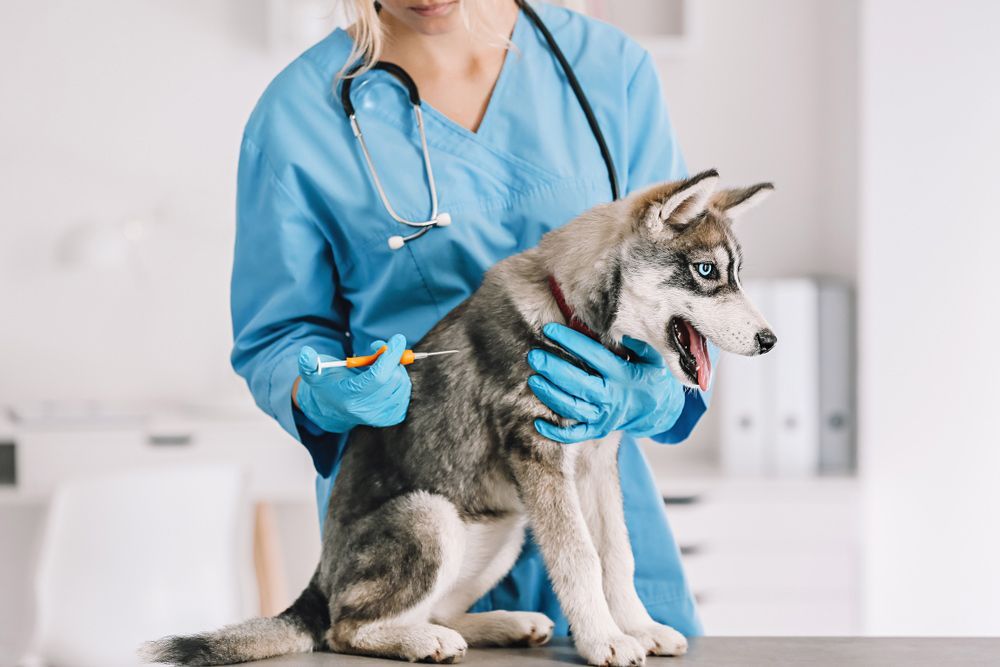
Desexing is a routine surgical procedure performed to prevent pets from reproducing. In female pets, the surgery involves removing the ovaries and usually the uterus. In male pets, the testicles are removed. The procedure is carried out under general anaesthetic by a qualified veterinary team. While the surgery itself is relatively common, the approach may vary depending on the pet's age, breed, size and overall health.
Desexing procedures generally involve:
- A pre-surgery health assessment
- General anaesthetic monitoring
- Pain management during and after surgery
- Recovery supervision before returning home
- Post-operative care instructions for owners
Many pets return home on the same day and recover well with proper care and rest.
Health Benefits of Desexing Your Pet
Desexing can reduce the risk of several health issues that may develop later in life. For female pets, it can help lower the likelihood of uterine infections and certain reproductive cancers. For male pets, desexing can reduce the risk of testicular disease and some prostate conditions.
The procedure may also support overall long-term wellbeing when combined with regular veterinary care.
Potential health benefits include:
- Reduced risk of reproductive cancers
- Lower chance of uterine infections in females
- Prevention of testicular disease in males
- Reduced roaming behaviour that may lead to injuries
- Lower risk of hormone-related health conditions
Speaking with
vets in Townsville can help you understand the most appropriate timing and approach for your individual pet.
Behavioural Changes Owners May Notice
Hormones can influence certain behaviours in both cats and dogs. While desexing does not completely change a pet's personality, it may help reduce behaviours linked to mating instincts or territorial tendencies. Some behavioural improvements may develop gradually after recovery.
Owners may notice changes such as:
- Reduced urine marking or spraying
- Less roaming or escaping behaviour
- Reduced aggression linked to hormones
- Less mounting behaviour in some pets
- Improved focus during training
Behaviour can still vary between individual animals, but many owners find desexing supports calmer day-to-day routines.
When Is the Right Time to Desex a Pet?
The ideal age for desexing can depend on several factors, including the type of animal, breed, size and medical history. Puppies and kittens are commonly desexed while still young, though some larger breeds may benefit from different timing recommendations. Your veterinarian will usually assess your pet's development before recommending a suitable timeframe.
Factors considered may include:
- Breed and expected adult size
- Weight and physical development
- Existing health conditions
- Behavioural considerations
- Lifestyle and living environment
A personalised consultation at a vet clinic in Townsville can help owners understand what timing may be most suitable for their pet.
Preparing Your Pet Before Surgery
Preparation before surgery helps ensure the procedure runs safely and smoothly. Most veterinary clinics provide clear instructions before the appointment so owners know exactly what to expect. This preparation often includes fasting requirements and arrival instructions.
Before surgery, owners may be asked to:
- Remove access to food the night before
- Allow access to water unless instructed otherwise
- Keep pets calm before the appointment
- Transport pets safely in carriers or restraints
- Inform the clinic about medications or health concerns
Following pre-surgery instructions carefully helps reduce anaesthetic risks and supports a smoother procedure.
What Happens During the Recovery Period?
Most pets recover well after desexing, although they will usually need several days of rest and monitoring at home. Recovery instructions are designed to help protect the surgical site while the pet heals. Owners are typically advised to limit running, jumping and rough play during recovery.
After surgery, care may involve:
- Monitoring the incision site daily
- Preventing licking or scratching
- Administering prescribed medication
- Keeping pets indoors and calm
- Attending follow-up checks if recommended
While mild tiredness is common after surgery, owners should contact their local vet clinic in Townsville if they notice swelling, discharge or unusual behaviour during recovery.
How Desexing Supports Responsible Pet Ownership
Desexing plays an important role in reducing unwanted litters and helping manage stray animal populations. Unplanned breeding can place pressure on shelters, rescue organisations and community resources. Responsible pet ownership involves making decisions that support both the individual animal and the wider community.
Desexing may help by:
- Reducing accidental litters
- Lowering stray animal numbers
- Supporting better animal welfare outcomes
- Reducing roaming and mating-related injuries
- Helping owners manage pets more effectively
For many households, desexing becomes part of a broader preventative care plan alongside vaccinations, parasite prevention and routine health checks.
Choosing a Vet Clinic in Townsville You Feel Comfortable With
For new pet owners, having a veterinary team that communicates clearly and answers questions honestly can make a significant difference. Desexing is often one of the first surgeries a pet will experience, so reassurance and guidance are important for many families.
Things owners may value when choosing vets in Townsville include:
- Clear explanations about the procedure
- Transparent post-operative care advice
- Gentle handling of nervous pets
- Ongoing preventative care support
- A welcoming and approachable clinic environment
Building a long-term relationship with a trusted local veterinary team helps owners feel more confident about future healthcare decisions as their pet grows.